

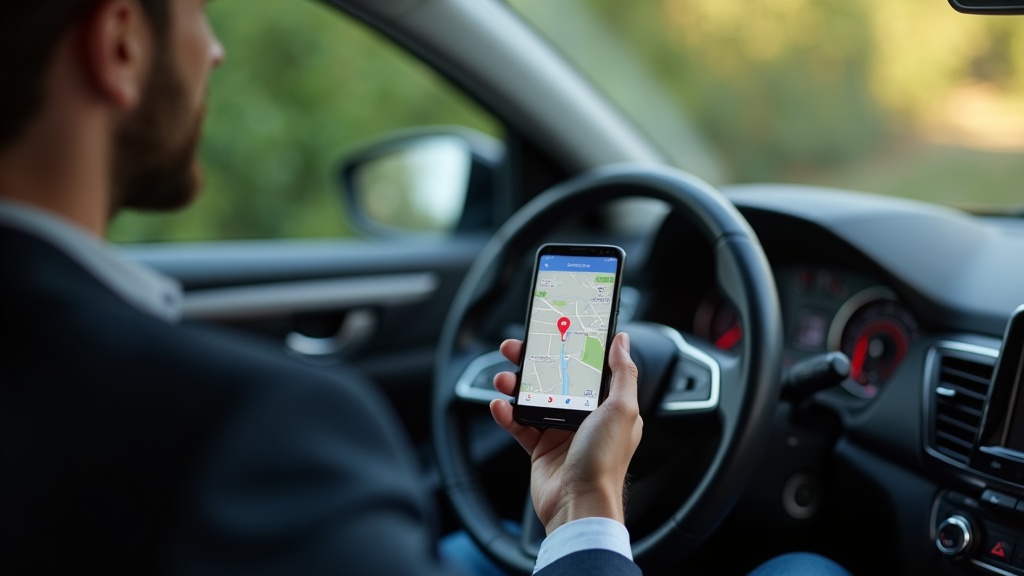
Tired of scrambling through receipts and trying to reconstruct your business trips at tax time? You’re not alone. In 2026, the landscape of mileage tracking has evolved dramatically, with automated solutions becoming the gold standard for professionals who depend on accurate trip documentation. Whether you’re a rideshare driver logging hundreds of miles weekly, a freelancer visiting clients across town, or a business owner managing a fleet, automated mileage tracking has transformed from a luxury into an absolute necessity. The stakes have never been higher for precise mileage documentation.
With the IRS standard mileage rate continuing to provide substantial tax deductions and audit requirements becoming increasingly stringent, automated mileage tracking systems offer the reliability and accuracy that manual methods simply cannot match. Gone are the days of forgotten trip logs and estimated distances that could cost you thousands in lost deductions or, worse, penalties during an audit. Modern automated mileage tracking solutions leverage GPS technology, artificial intelligence, and cloud-based storage to create comprehensive trip records without any manual intervention. These systems capture start and stop locations, calculate exact distances, categorize trips by purpose, and generate IRS-compliant reports that can save you significant time and money while ensuring complete compliance with tax regulations.
Understanding Automated Mileage Tracking Technology in 2026
The foundation of modern automated mileage tracking rests on sophisticated GPS technology that has become incredibly precise and reliable. Unlike the basic tracking systems of previous years, 2026’s solutions utilize multi-satellite positioning systems that can pinpoint your location within mere feet of accuracy. This precision ensures that every mile you drive for business purposes is captured and recorded without the margin of error that plagued earlier tracking methods.
GPS Integration and Real-Time Monitoring
Today’s automated mileage tracking systems seamlessly integrate with your smartphone’s built-in GPS capabilities, creating a continuous monitoring system that operates in the background without draining your battery significantly. These systems use advanced algorithms to detect when you’re actually driving versus when you’re stationary, eliminating false readings that could occur from GPS drift or location updates while parked. The real-time monitoring capabilities extend beyond simple location tracking. Modern systems analyze your driving patterns, speed, and route efficiency to provide insights that can help optimize your business travel. This data becomes invaluable for delivery drivers who need to maximize efficiency or rideshare operators looking to identify the most profitable areas and times to work.
Artificial Intelligence and Trip Classification
One of the most significant advances in automated mileage tracking has been the integration of artificial intelligence for trip classification. These AI systems learn from your driving patterns and can automatically categorize trips as business, personal, or commuting based on factors like departure times, destinations, and frequency of visits to specific locations. The AI continuously improves its accuracy through machine learning, meaning the system becomes more precise at categorizing your trips over time. This eliminates the tedious task of manually reviewing and classifying each trip, while ensuring that you don’t miss any business-related deductions. For rideshare and delivery drivers, this means automatic recognition of when you’re working versus traveling for personal reasons.
Cloud-Based Data Storage and Synchronization
Modern automated mileage tracking solutions store all your trip data in secure cloud-based systems, ensuring that your information is never lost due to device failure or accidental deletion. This cloud storage also enables seamless synchronization across multiple devices, so you can access your mileage records from your smartphone, tablet, or computer whenever needed. The cloud-based approach also facilitates automatic backups and provides the redundancy necessary for audit protection. Your trip records are stored with timestamps, GPS coordinates, and other metadata that creates an indisputable record of your business travel activities.
Benefits of Automated Mileage Tracking for Different User Types
The advantages of implementing automated mileage tracking extend far beyond simple convenience, offering tangible financial and operational benefits that vary depending on your profession and usage patterns. Understanding how these benefits apply to your specific situation can help you maximize the return on your investment in automated tracking technology.
Freelancers and Independent Contractors
For freelancers and independent contractors, automated mileage tracking represents a crucial tool for maximizing tax deductions while minimizing administrative burden. Many freelancers lose thousands of dollars annually in unclaimed mileage deductions simply because they fail to maintain adequate records or underestimate their business travel. Automated systems ensure that every client visit, business meeting, and work-related trip is captured and documented with IRS-compliant detail. This comprehensive tracking often reveals that freelancers drive significantly more business miles than they initially realized, leading to substantial increases in their annual tax deductions. The time savings alone can be worth hundreds of dollars in billable hours that would otherwise be spent on manual record-keeping. The detailed reporting capabilities also provide valuable business insights, helping freelancers understand their travel patterns and potentially optimize their client scheduling to reduce overall travel time and costs. Some freelancers discover opportunities to group client visits more efficiently or identify clients whose distance makes them less profitable than originally calculated.
Rideshare and Delivery Drivers
For rideshare and delivery drivers, automated mileage tracking is particularly critical because these professionals typically drive the highest number of business miles and have the most complex tracking requirements. The ability to automatically distinguish between active working time and deadhead miles (driving to pick up passengers or returning home) ensures maximum deduction eligibility.
Many rideshare drivers are surprised to learn that their total deductible mileage extends beyond just passenger-carrying trips. Time spent driving to optimal pickup locations, returning from distant dropoffs, and traveling between different service areas all qualify as business mileage. Automated tracking captures all of these miles that might otherwise be overlooked in manual tracking systems. The real-time expense tracking features also help drivers understand their true profitability by automatically calculating wear-and-tear costs, fuel expenses, and other vehicle-related costs associated with their driving activities. This information proves invaluable for making informed decisions about when and where to drive for maximum profitability.
Small Business Owners and Fleet Managers
Small business owners managing multiple vehicles or employees who travel for work find automated mileage tracking essential for maintaining compliance and controlling costs. The administrative burden of manually tracking mileage across multiple drivers can be overwhelming and prone to errors that could result in audit issues or missed deductions. Automated systems provide centralized monitoring and reporting capabilities that give business owners complete visibility into their fleet’s travel patterns and expenses. This oversight helps identify opportunities for cost savings, route optimization, and employee accountability. Many business owners discover significant inefficiencies in their travel patterns that, once addressed, result in substantial cost reductions. The detailed reporting also simplifies the process of reimbursing employees for business travel while ensuring that all reimbursements are properly documented for tax purposes. The automated nature of the system reduces disputes over mileage claims and provides the documentation necessary to support business expense deductions during audits.
Choosing the Right Automated Mileage Tracking Solution
Selecting the optimal automated mileage tracking solution requires careful consideration of your specific needs, usage patterns, and technical requirements. The market offers numerous options, each with distinct advantages and limitations that make them more or less suitable for different types of users and business scenarios.
Key Features to Evaluate
When evaluating automated mileage tracking solutions, accuracy should be your primary concern. Look for systems that utilize multiple positioning technologies and have demonstrated reliability in various driving conditions, including urban environments with tall buildings that can interfere with GPS signals and rural areas with limited cellular coverage. Battery life impact is another crucial consideration, especially for drivers who spend long hours on the road. The most effective solutions optimize their tracking algorithms to minimize battery drain while maintaining accurate monitoring. Some apps offer different tracking modes that balance accuracy with battery conservation based on your specific usage patterns. Integration capabilities can significantly enhance the value of your mileage tracking system. Look for solutions that integrate with popular accounting software, tax preparation tools, and expense management platforms. This integration eliminates the need for manual data transfer and reduces the risk of errors when preparing tax returns or expense reports. The user interface and ease of use factor heavily into the long-term success of any automated tracking solution. Even the most feature-rich system becomes worthless if it’s too complicated to use regularly or requires excessive manual intervention to function properly.
Compliance and Audit Protection Features
IRS compliance represents a critical aspect of any mileage tracking solution, and automated systems must provide the detailed documentation required to satisfy audit requirements. Look for solutions that capture and store comprehensive trip data, including start and end locations, timestamps, total distance, and trip purposes. The ability to add trip notes and attach supporting documentation, such as photos of receipts or meeting confirmations, can provide additional audit protection. Some advanced systems even allow voice-to-text note taking, making it easy to document trip purposes without taking your hands off the steering wheel. Export capabilities are essential for tax preparation and audit responses. Your chosen solution should be able to generate reports in various formats, including Excel spreadsheets, PDF summaries, and direct exports to popular tax software platforms. The reports should include all the detail necessary to satisfy IRS requirements while being formatted in a clear, professional manner.
Cost Considerations and Return on Investment
While many automated mileage tracking solutions are available at modest monthly subscription costs, the return on investment calculation extends far beyond the subscription fee. Consider the value of time saved on manual tracking, the increased accuracy of your deductions, and the audit protection provided by comprehensive automated records. For high-mileage drivers, the increased accuracy alone often results in hundreds or thousands of additional dollars in annual tax deductions that more than offset the cost of the tracking service. The time savings can be equally valuable, particularly for professionals who bill their time or could use the saved administrative time for revenue-generating activities.
| Solution Type | Monthly Cost | Key Features | Best For |
|---|---|---|---|
| Basic GPS Tracking | $5-10 | Automatic trip detection, basic reporting | Occasional business drivers |
| Advanced Automated | $10-20 | AI classification, detailed analytics, integrations | Regular business travelers, freelancers |
| Professional Fleet | $15-30 | Multi-vehicle management, advanced reporting, audit protection | Business owners, fleet managers |
Implementing and Optimizing Your Automated Tracking System
Successful implementation of automated mileage tracking requires more than simply downloading an app and hoping for the best. Proper setup, configuration, and ongoing optimization ensure that you maximize the benefits of automation while avoiding common pitfalls that can reduce accuracy or create compliance issues.
Initial Setup and Configuration
The initial setup process sets the foundation for accurate tracking throughout the year. Begin by configuring your home and primary work locations, as these serve as reference points for determining trip purposes and calculating deductible mileage. Many systems use this information to automatically categorize trips that begin or end at these locations. Take time to review and adjust the sensitivity settings for trip detection. Some users prefer more sensitive settings that capture very short trips, while others prefer higher thresholds that ignore brief movements like parking lot navigation. Test your chosen settings over several days to ensure they align with your actual driving patterns and business needs. Configure any integration settings during the initial setup process. Connecting your mileage tracker to your accounting software, calendar, or other business tools from the start ensures seamless data flow and reduces the likelihood of data gaps that could cause problems later.
Milelify: The Smart Choice for Automated Mileage Tracking
Milelify stands out as the premier automated mileage tracking solution designed specifically for the needs of modern professionals and businesses. This GPS-based application combines cutting-edge tracking technology with user-friendly design to deliver the most comprehensive and reliable mileage tracking experience available in 2026.
- Advanced GPS precision technology that accurately captures every business mile, even in challenging environments with poor cellular coverage or GPS interference
- Intelligent AI-powered trip classification that learns your driving patterns and automatically categorizes business versus personal trips with increasing accuracy over time
- Seamless integration with popular accounting software and tax preparation tools, eliminating manual data entry and reducing the risk of errors
- Comprehensive audit protection features that generate IRS-compliant reports with detailed trip documentation, timestamps, and location data
- Battery-optimized tracking algorithms that provide continuous monitoring without significantly impacting your device’s battery life or performance
Whether you’re a freelancer tracking client visits, a rideshare driver maximizing deductions, or a business owner managing fleet expenses, Milelify provides the reliability and precision you need to ensure complete mileage documentation. The platform’s intuitive interface makes it easy to review trips, add notes, and generate professional reports that satisfy the most stringent audit requirements while saving you countless hours of manual tracking work.
Ongoing Monitoring and Maintenance
Regular monitoring of your automated tracking system ensures continued accuracy and helps identify any issues before they become significant problems. Review your tracked trips weekly to verify that the system is capturing all your business travel and correctly categorizing trip purposes. Pay attention to any recurring issues, such as missed trips in specific locations or incorrect categorizations for certain routes. Most quality tracking systems allow you to provide feedback that improves future performance, and addressing these issues promptly prevents them from affecting your annual mileage totals. Keep your tracking app updated with the latest software versions, as updates often include improved accuracy algorithms, new features, and bug fixes that enhance overall performance. Enable automatic updates when possible to ensure you always have access to the most current capabilities. For additional insights on maximizing your mileage tracking efficiency, explore the comprehensive resources available at Milelify’s blog, which provides expert tips, industry updates, and best practices for getting the most from your automated tracking system.
Future Trends and Advanced Features in Mileage Tracking
The automated mileage tracking industry continues to evolve rapidly, with emerging technologies promising even greater accuracy, functionality, and integration capabilities. Understanding these trends can help you make informed decisions about long-term tracking solutions and prepare for the enhanced capabilities that will become standard in the coming years.
Integration with Vehicle Telematics and IoT
The integration of mileage tracking with vehicle telematics systems represents one of the most significant advancement opportunities in the industry. Modern vehicles equipped with connected car technology can provide direct odometer readings, engine data, and diagnostic information that eliminates any reliance on GPS-based distance calculations. This integration offers unprecedented accuracy by using the vehicle’s own systems to track mileage, while also providing additional insights into fuel efficiency, maintenance needs, and driving behavior. For business owners managing fleets, this level of integration can provide comprehensive vehicle management capabilities that extend well beyond simple mileage tracking. The Internet of Things (IoT) expansion also enables integration with other business tools and systems. Imagine mileage tracking that automatically correlates with your calendar appointments, customer relationship management system, and project management tools to provide complete trip context and business justification without any manual input.
Enhanced AI and Machine Learning Capabilities
Artificial intelligence in mileage tracking continues to become more sophisticated, with machine learning algorithms that can identify patterns and anomalies that humans might miss. Future systems will be able to predict optimal routes, identify cost-saving opportunities, and even suggest business strategies based on travel pattern analysis. Advanced AI will also improve fraud detection and audit protection by identifying unusual patterns that might indicate errors or intentional misrepresentation. This capability becomes particularly valuable for businesses managing multiple drivers or complex travel patterns that would be difficult to monitor manually. The predictive capabilities of enhanced AI systems will extend to maintenance scheduling, fuel cost optimization, and even tax planning by analyzing historical data to project future mileage and associated costs. This insight can help businesses make more informed decisions about vehicle purchases, route planning, and budget allocation.
Blockchain and Data Security Enhancements
As data security concerns continue to grow, blockchain technology offers promising solutions for creating tamper-proof mileage records that provide ultimate audit protection. Blockchain-based systems can create immutable records of every trip, ensuring that historical data cannot be altered or disputed. This technology also enables secure sharing of mileage data between different parties, such as employers and employees or businesses and their accountants, without compromising data integrity or privacy. The transparency and security provided by blockchain solutions could become standard requirements for businesses operating in highly regulated industries. Advanced encryption and privacy protection measures are becoming standard features as tracking systems handle increasingly sensitive location and business data. Look for solutions that implement end-to-end encryption and provide granular privacy controls that allow you to protect sensitive information while maintaining comprehensive tracking capabilities. The automated mileage tracking landscape continues to evolve with new regulations, technologies, and user expectations. Stay informed about industry developments by following reputable sources such as IRS vehicle use guidelines, Accounting Today, and Entrepreneur magazine for insights into regulatory changes and best practices that could affect your tracking requirements.
Ready to revolutionize your mileage tracking and maximize your tax deductions? Join thousands of professionals who have discovered the power of truly automated mileage tracking with Milelify. Our advanced GPS technology and AI-powered trip classification eliminate the guesswork and manual effort that plague traditional tracking methods, ensuring you capture every deductible mile while saving countless hours of administrative work. Don’t let another tax season pass with incomplete records and missed deductions. Start your free trial with Milelify today and experience the peace of mind that comes with knowing your mileage tracking is accurate, compliant, and completely automated. Your future self will thank you when tax time arrives and your perfectly organized mileage records translate into maximum deductions and audit protection.