

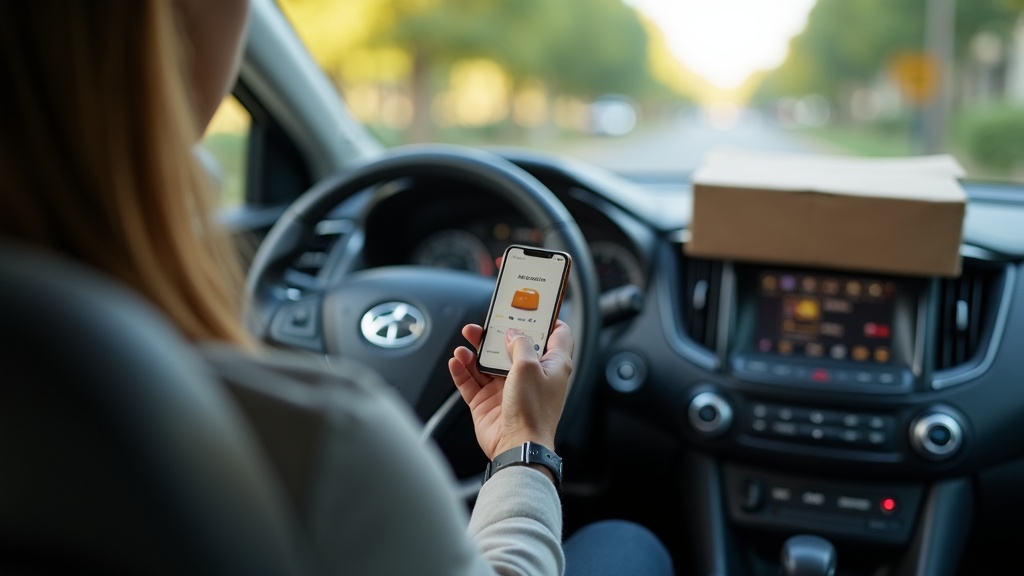
DoorDash drivers can potentially save thousands of dollars annually on taxes by properly tracking their mileage, yet most delivery drivers fail to maintain accurate records of their business miles. In 2026, with rising fuel costs and increased competition in the gig economy, having a reliable doordash mileage tracker has become essential for maximizing your earnings and minimizing your tax burden.
Whether you’re a full-time dasher or someone who delivers part-time for extra income, understanding how to track your mileage effectively can mean the difference between a profitable venture and barely breaking even. The IRS allows you to deduct business miles at a standard rate, which in 2026 continues to provide substantial tax savings for drivers who maintain proper documentation.
This comprehensive guide will walk you through everything you need to know about DoorDash mileage tracking, from choosing the right app to understanding IRS requirements and maximizing your deductions. We’ll explore the best tools available, share proven strategies from successful drivers, and help you establish a system that works seamlessly with your delivery routine.
Why DoorDash Drivers Need a Reliable Mileage Tracker
The importance of accurate mileage tracking for DoorDash drivers cannot be overstated in 2026. With the standard mileage deduction rate continuing to provide significant tax benefits, drivers who fail to track their miles are essentially leaving money on the table. The IRS requires detailed records of business miles, including the date, destination, business purpose, and odometer readings for each trip.
DoorDash drivers face unique challenges when it comes to mileage tracking. Unlike traditional employees who commute to a fixed location, delivery drivers constantly move between restaurants, customers, and hotspots throughout their shifts. This complex driving pattern makes manual tracking nearly impossible and increases the risk of missing deductible miles.
Tax Deduction Opportunities
The standard mileage deduction allows drivers to deduct a significant portion of their vehicle expenses based on business miles driven. In 2026, this deduction continues to be one of the most valuable tax benefits available to gig workers. For drivers who complete 100 deliveries per week, the annual tax savings can exceed several thousand dollars when properly documented.
Beyond the standard deduction, drivers can also deduct parking fees, tolls, and other vehicle-related expenses incurred during deliveries. However, these additional deductions require the same level of documentation as mileage tracking, making a comprehensive doordash mileage tracker essential for maximizing tax benefits.
IRS Compliance Requirements
The IRS has specific requirements for mileage deduction claims that have remained consistent into 2026. Drivers must maintain a contemporaneous log that includes the date of each trip, odometer readings at the start and end of business use, total miles driven for business, and the business purpose of each trip.
Failure to maintain adequate records can result in disallowed deductions during an audit, potentially costing drivers thousands in additional taxes and penalties. The IRS specifically requires that mileage logs be created at or near the time of each trip, making after-the-fact reconstruction of records insufficient for audit protection.
Best DoorDash Mileage Tracker Apps and Tools for 2026
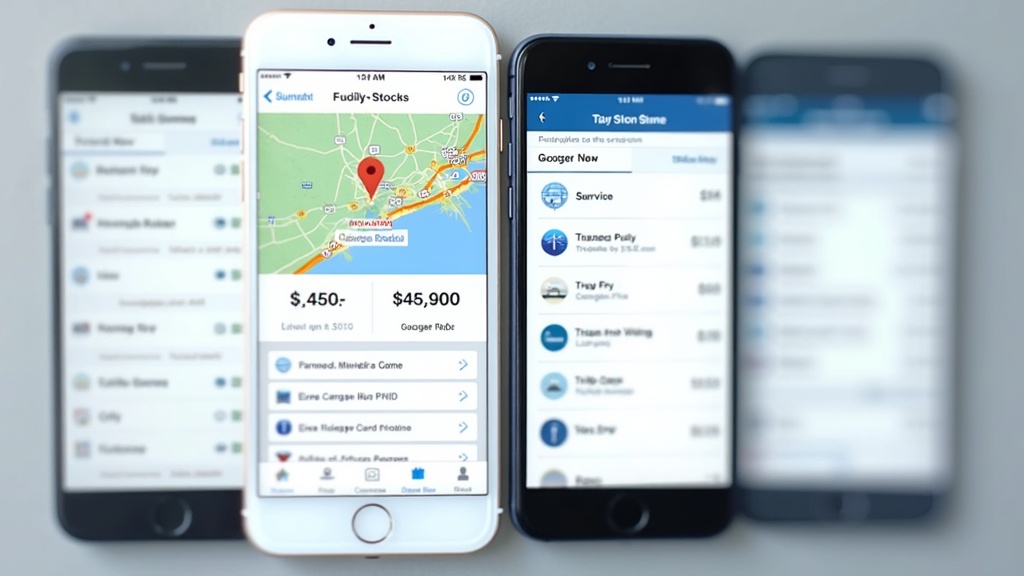
The mileage tracking app market has evolved significantly, with 2026 bringing more sophisticated features and better integration with gig economy platforms. Modern doordash mileage tracker apps offer automatic detection, GPS accuracy, and seamless integration with tax preparation software, making it easier than ever to maintain IRS-compliant records.
Automatic vs Manual Tracking Solutions
Automatic mileage tracking has become the gold standard for delivery drivers in 2026. These apps use GPS technology to detect when you start driving and automatically log miles, eliminating the need for manual start and stop inputs. The technology has improved dramatically, with modern apps achieving over 95% accuracy in trip detection and mileage calculation.
Manual tracking apps still have their place, particularly for drivers who prefer more control over their records or work in areas with poor GPS coverage. These apps typically offer more detailed customization options and allow for precise trip categorization, which can be valuable for drivers who use their vehicles for multiple business purposes.
The hybrid approach combines the convenience of automatic detection with the precision of manual oversight. Many successful DoorDash drivers in 2026 use apps that automatically detect trips but allow for manual editing and categorization, providing the best of both worlds for accurate mileage tracking.
Key Features to Look for in 2026
The most effective doordash mileage tracker apps in 2026 include several essential features that streamline the tracking process while ensuring IRS compliance. Real-time GPS tracking provides accurate mileage calculations, while automatic trip detection eliminates the human error factor that often leads to missed deductions.
Integration with popular accounting and tax software has become increasingly important, allowing drivers to seamlessly transfer their mileage data at tax time. Cloud synchronization ensures that records are backed up and accessible across multiple devices, protecting against data loss that could jeopardize tax deductions.
Advanced features like expense tracking, profit analysis, and multi-vehicle support cater to more sophisticated users who want comprehensive business management tools. These features help drivers understand their true profitability and make informed decisions about their delivery strategy.
Professional drivers in 2026 also look for apps with robust reporting capabilities that can generate IRS-compliant reports with minimal effort. The ability to categorize trips, add notes, and export data in various formats ensures that drivers can meet any documentation requirements while maintaining organized records.
Setting Up Your DoorDash Mileage Tracking System
Establishing an effective mileage tracking system requires more than just downloading an app. Successful DoorDash drivers in 2026 follow a systematic approach that ensures consistent tracking, accurate categorization, and seamless integration with their overall business management strategy.
Initial Setup and Configuration
The setup process begins with choosing the right tracking method for your specific situation. Consider your typical delivery patterns, the areas you work in, and your comfort level with technology when selecting between automatic, manual, or hybrid tracking solutions. Most drivers find that automatic tracking works best for the majority of their trips, with manual override capabilities for edge cases.
Proper app configuration includes setting up trip categories that align with your business activities. Create separate categories for delivery trips, driving to hotspots, and return trips to differentiate between different types of business driving. This granular categorization can help optimize your tax deductions and provide better insights into your driving patterns.
Account synchronization across devices ensures that your mileage data remains consistent whether you’re using your phone, tablet, or computer. Cloud backup features protect against data loss and provide easy access to historical records when needed for tax preparation or business analysis.
Daily Tracking Best Practices
Consistency is key to successful mileage tracking, and developing daily habits that support accurate record-keeping will pay dividends at tax time. Start each shift by ensuring your doordash mileage tracker is active and properly configured for the session ahead. Many drivers create a pre-shift checklist that includes verifying app functionality and checking for any pending trip reviews.
Regular data review helps catch errors early and ensures that all business miles are properly captured. Set aside a few minutes at the end of each shift to review your tracked trips, verify accuracy, and make any necessary corrections while the details are still fresh in your memory.
End-of-shift procedures should include saving or syncing your data and noting any unusual circumstances that might affect your records. This practice creates a paper trail that can be valuable if you ever need to explain your records to the IRS or reconstruct missing data.
Maximizing Tax Deductions with Proper Mileage Tracking
Understanding how to leverage your mileage records for maximum tax benefit requires knowledge of current tax law and strategic planning throughout the year. DoorDash drivers in 2026 who take a proactive approach to tax planning often discover significant savings opportunities beyond basic mileage deductions.
Understanding Deductible vs Non-Deductible Miles
The distinction between business and personal miles forms the foundation of legitimate tax deductions. Business miles include driving to pick up orders, delivering food to customers, driving between delivery locations, and positioning yourself in high-demand areas. Personal miles, such as commuting from home to your first delivery or returning home after your last delivery, are generally not deductible.
The “first mile” rule can be particularly tricky for DoorDash drivers. Miles driven from your home to your first delivery location are typically considered commuting and are not deductible. However, miles driven from one delivery location to the next, including positioning drives to busy restaurants or areas, qualify as business miles.
Return trips present another complexity in mileage tracking. If you drive directly home after your last delivery, those miles are generally personal. However, if you continue working or position yourself for additional deliveries, the miles remain business-related and deductible.
Record-Keeping Strategies for Audit Protection
The IRS audit rate for small businesses and self-employed individuals remains a concern for many DoorDash drivers, making proper documentation essential for peace of mind. Your doordash mileage tracker records should be supplemented with additional documentation that supports your business activities and validates your deduction claims.
Maintain records of your DoorDash earnings statements alongside your mileage logs to demonstrate the correlation between your driving activity and income generation. This connection helps establish the business purpose of your miles and provides context for any unusual patterns in your driving records.
Digital receipts for vehicle expenses, maintenance records, and fuel purchases create a comprehensive picture of your delivery operation. While not required for the standard mileage deduction, these records can be valuable if you need to defend your deductions or if you choose to itemize vehicle expenses instead of using the standard rate.
Why Milelify Stands Out for DoorDash Drivers
Milelify has emerged as a leading choice for professional delivery drivers who demand accuracy and reliability in their mileage tracking solution. The app’s sophisticated GPS technology and machine learning algorithms specifically address the unique challenges faced by DoorDash drivers, including complex route patterns and frequent stops.
Key differentiators that make Milelify particularly effective for DoorDash drivers include:
- Advanced automatic trip detection that recognizes delivery patterns and minimizes false positives
- Comprehensive expense tracking beyond mileage, including tolls, parking, and vehicle maintenance
- Seamless integration with popular tax software and accounting platforms
- Detailed reporting capabilities that generate IRS-compliant documentation
- Multi-vehicle support for drivers who use different cars for deliveries
The platform’s user interface is designed specifically for busy professionals who need quick access to essential features without complicated navigation. Drivers can start tracking with a single tap and review their records during downtime between deliveries, making it easy to maintain accurate records even during busy shifts.
Milelify’s commitment to accuracy and compliance provides peace of mind for drivers who want to maximize their tax deductions while maintaining audit-ready documentation. The app’s cloud-based architecture ensures that records are always backed up and accessible across multiple devices.
Comparing Top DoorDash Mileage Tracker Solutions
The mileage tracking market offers numerous solutions, each with distinct advantages and limitations. Understanding the key differences between popular options helps DoorDash drivers make informed decisions based on their specific needs and preferences.
| Feature | Automatic Apps | Manual Trackers | Hybrid Solutions |
|---|---|---|---|
| Ease of Use | High – Set and forget | Low – Requires constant input | Medium – Balance of both |
| Accuracy | 95%+ with good GPS | 100% when used correctly | 98%+ with user oversight |
| Battery Impact | Moderate GPS usage | Minimal battery drain | Moderate with optimization |
| IRS Compliance | High with proper setup | Excellent with diligent use | Excellent with oversight |
Cost-Benefit Analysis for DoorDash Drivers
The investment in a quality doordash mileage tracker typically pays for itself within the first month of use through improved tax deductions. Premium apps that cost $5-15 monthly can save drivers hundreds or thousands of dollars annually by ensuring that no deductible miles are missed and that records meet IRS requirements.
Free mileage tracking apps can provide basic functionality but often lack the advanced features and customer support that professional drivers need. The time saved through automatic tracking and streamlined reporting often justifies the cost of premium solutions, especially for drivers who complete multiple deliveries daily.
Consider the total cost of ownership when evaluating different solutions, including subscription fees, setup time, and ongoing maintenance requirements. Professional drivers often find that investing in robust tracking solutions provides better long-term value than attempting to save money with inadequate tools.
The landscape of mileage tracking technology continues to evolve rapidly, with 2026 bringing new innovations that benefit DoorDash drivers. Artificial intelligence and machine learning integration improve trip detection accuracy and reduce the need for manual corrections, while enhanced smartphone sensors provide more precise location and movement data.
Integration with vehicle telematics systems represents an emerging trend that could revolutionize mileage tracking for professional drivers. These systems access data directly from the vehicle’s computer, providing unprecedented accuracy and eliminating reliance on smartphone GPS, which can be affected by signal quality and battery life.
Regulatory Changes and Compliance Updates
Tax law changes and IRS guidance updates can significantly impact how DoorDash drivers approach mileage tracking and deduction claims. Staying informed about regulatory changes ensures continued compliance and helps drivers adapt their tracking strategies to maintain maximum tax benefits.
The gig economy’s continued growth has prompted increased scrutiny from tax authorities, making proper documentation more important than ever. Professional drivers who maintain comprehensive records and use reliable tracking tools position themselves well for any regulatory changes or audit situations that may arise.
IRS guidelines for vehicle expense deductions continue to emphasize the importance of contemporaneous record-keeping, reinforcing the value of automatic tracking solutions that create real-time documentation.
Advanced Tips for Optimizing Your DoorDash Mileage Tracking
Experienced DoorDash drivers in 2026 have developed sophisticated strategies for maximizing their mileage deductions while minimizing the time and effort required for record-keeping. These advanced techniques go beyond basic tracking to create comprehensive business management systems that support long-term profitability.
Strategic Route Planning and Documentation
Smart route planning not only improves delivery efficiency but also maximizes deductible business miles. Understanding your local market allows you to position yourself strategically between deliveries, turning what might otherwise be personal miles into legitimate business expenses through careful documentation of your positioning strategy.
Multi-app driving strategies require particularly careful mileage tracking, as miles driven while available on multiple platforms can sometimes present categorization challenges. Successful drivers maintain detailed notes about their availability status and delivery activities to ensure proper classification of all business miles.
Professional tax guidance can help drivers understand the nuances of mileage deductions and ensure they’re taking advantage of all available opportunities while remaining compliant with IRS requirements.
Integration with Overall Business Management
Your doordash mileage tracker should integrate seamlessly with your broader business management approach. Combining mileage tracking with income monitoring, expense management, and performance analysis creates a comprehensive picture of your delivery operation’s profitability and efficiency.
Regular analysis of your mileage data can reveal patterns and opportunities for optimization. Understanding which areas generate the most income per mile driven helps inform strategic decisions about when and where to focus your delivery activities for maximum profitability.
Financial planning tools and resources can help drivers understand the full impact of their mileage deductions and plan for quarterly tax payments based on their tracking data and earnings projections.
Take control of your DoorDash mileage tracking today and start maximizing your tax deductions with confidence. The difference between drivers who track their miles effectively and those who don’t can amount to thousands of dollars annually in lost deductions and unnecessary tax burdens. With the right tools and strategies in place, you can ensure that every business mile is properly documented and that you’re taking full advantage of the tax benefits available to professional delivery drivers.
Start your free trial with Milelify and discover how easy it can be to maintain accurate, IRS-compliant mileage records that protect your deductions and support your success as a DoorDash driver. Don’t leave money on the table – invest in professional mileage tracking and watch your bottom line improve.