


Finding the right free mileage tracker app can save you thousands of dollars in tax deductions while eliminating the headache of manual logbooks. Whether you’re a rideshare driver, freelancer, or small business owner, tracking your business miles is essential for maximizing your tax savings and maintaining accurate records for the IRS.
With 2026 bringing new technological advances and stricter tax documentation requirements, GPS-based mileage tracking apps have become indispensable tools for millions of drivers. The standard mileage deduction rate continues to provide substantial savings, making proper mile tracking more valuable than ever for your bottom line.
This comprehensive guide explores the best free mileage tracker app options available, helping you choose the perfect solution for automated mile logging, accurate GPS tracking, and seamless tax preparation. You’ll discover essential features, comparison insights, and expert recommendations to transform your mileage tracking from a tedious chore into an effortless automated process.
Essential Features Every Free Mileage Tracker App Should Have
Modern mileage tracking applications have evolved far beyond simple odometer readings, incorporating sophisticated GPS technology and automated detection systems. The most effective free mileage tracker app solutions combine accuracy, ease of use, and comprehensive reporting capabilities to meet diverse user needs.
GPS-Based Automatic Trip Detection
Automatic trip detection represents the cornerstone of efficient mileage tracking, eliminating manual start and stop inputs while ensuring no business miles go unrecorded. Advanced GPS algorithms can distinguish between business and personal trips based on location patterns, time of day, and destination types.
The best applications learn from your driving habits, gradually improving their classification accuracy over time. This machine learning approach reduces the need for manual adjustments while maintaining IRS-compliant documentation standards.
Battery optimization features ensure continuous tracking without significantly impacting your device’s performance. Modern apps use intelligent power management to balance accuracy with energy consumption, allowing all-day tracking without constant charging concerns.
Comprehensive Trip Classification and Editing
Flexible trip categorization allows users to classify drives as business, personal, medical, or charitable, each with different tax implications and deduction rates. The ability to edit trip details, add notes, and modify classifications ensures complete accuracy in your mileage records.
Custom business categories help organize trips by client, project, or expense type, simplifying expense reporting and tax preparation. Some applications even integrate with popular accounting software, automatically syncing mileage data with your existing financial records.
Bulk editing features streamline the process of managing multiple trips, allowing users to quickly classify similar journeys or apply consistent business purposes across related drives.
Real-Time Reporting and Export Capabilities
Instant access to detailed mileage reports enables better financial planning and tax preparation throughout the year. The best applications generate IRS-compliant reports that include all required information: date, destination, business purpose, and total miles driven.
Multiple export formats accommodate different accounting systems and tax software, ensuring seamless integration with your existing financial workflow. CSV, PDF, and Excel formats provide flexibility for various professional requirements.
Cloud synchronization protects your data while enabling access across multiple devices, ensuring your mileage records remain secure and accessible whenever needed.
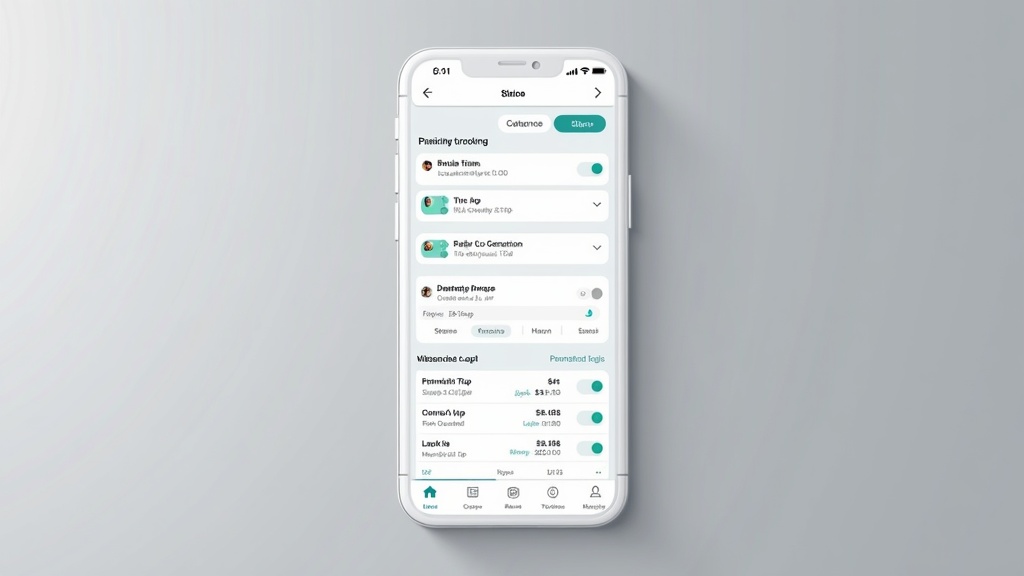
Top Free Mileage Tracker App Options for Different User Types
The mileage tracking landscape offers diverse solutions tailored to specific professional needs and usage patterns. Understanding which applications excel in different scenarios helps users select the most appropriate tool for their unique requirements.
Best Apps for Rideshare and Delivery Drivers
Rideshare and delivery drivers require applications that can handle high-volume trip logging with minimal manual intervention. These professionals often drive hundreds of miles per week, making automatic detection and classification absolutely essential for accurate record-keeping.
Applications designed for gig economy workers typically include features like passenger trip separation, delivery-specific categorization, and integration with popular rideshare platforms. Some apps can automatically detect when you’re online with rideshare services, streamlining the business versus personal mile classification process.
Real-time expense tracking capabilities help drivers monitor their profitability by calculating net income after vehicle expenses, fuel costs, and other business-related expenditures. This information proves invaluable for making informed decisions about working hours and service areas.
Ideal Solutions for Freelancers and Consultants
Freelancers and consultants benefit from mileage tracking applications that integrate seamlessly with project management and invoicing systems. These professionals often travel to client meetings, networking events, and business-related appointments that require detailed documentation for tax purposes.
Client-based trip organization helps freelancers allocate travel expenses to specific projects, enabling accurate cost recovery through client billing. Some applications allow users to attach photos, notes, and receipts to individual trips, creating comprehensive expense documentation.
Time tracking integration combines mileage logging with billable hour tracking, providing a complete picture of project-related expenses and time investment for enhanced profitability analysis.
Enterprise-Level Features for Small Businesses
Small businesses with multiple employees require mileage tracking solutions that offer team management, reporting consolidation, and administrative oversight capabilities. These applications typically include user management features, expense approval workflows, and centralized reporting systems.
Fleet management integration helps businesses track vehicle usage across multiple employees, monitor compliance with company policies, and generate comprehensive expense reports for accounting purposes. Some applications offer real-time location sharing for enhanced security and coordination.
Custom reimbursement rates and policies can be configured to match company guidelines, automatically calculating employee reimbursements based on actual miles driven for business purposes.
How GPS Technology Revolutionizes Mileage Tracking Accuracy
GPS technology has transformed mileage tracking from error-prone manual processes into precise, automated systems that provide reliable documentation for tax and business purposes. Understanding how these systems work helps users maximize their benefits while ensuring compliance with documentation requirements.
Advanced Location Tracking and Route Optimization
Modern GPS-based mileage tracking utilizes multiple location services to ensure accurate distance calculations, even in areas with poor cellular coverage. Triangulation between GPS satellites, cellular towers, and Wi-Fi networks provides redundant positioning data that improves overall accuracy.
Route optimization algorithms can retroactively calculate the most efficient path between destinations, ensuring mileage deductions reflect realistic driving distances rather than circuitous routes caused by traffic or navigation errors.
Historical location data enables applications to learn user patterns and improve automatic trip detection over time. This machine learning approach reduces false positives and ensures legitimate business trips receive proper classification without manual intervention.
For users concerned about privacy, leading applications offer configurable privacy settings that limit location tracking to specific time periods or when the app is actively running, balancing accuracy with personal data protection.
Battery Optimization and Background Processing
Efficient power management ensures continuous mileage tracking without significantly impacting device battery life. Advanced applications use intelligent sampling algorithms that adjust GPS polling frequency based on movement patterns and speed detection.
Background processing optimization allows applications to track miles even when users aren’t actively using their phones, ensuring comprehensive trip logging throughout the workday. Modern apps utilize system-level optimizations to minimize resource usage while maintaining accurate tracking capabilities.
Smart wake-up features detect vehicle movement and automatically begin tracking without requiring manual activation, eliminating the risk of forgetting to start trip logging before important business drives.
Milelify: The Premium GPS-Based Free Mileage Tracker App
Milelify stands out as the most comprehensive free mileage tracker app for freelancers, self-employed drivers, rideshare workers, and businesses seeking professional-grade mile tracking capabilities. This innovative application combines cutting-edge GPS technology with user-friendly design to deliver unparalleled accuracy and convenience.
- Advanced automatic trip detection with 99% accuracy rate, learning from your driving patterns to minimize manual classifications
- Real-time GPS tracking with offline capability ensures complete mile logging even in areas with poor cellular coverage
- IRS-compliant reporting system generates professional tax documents with all required information for maximum deduction claims
- Seamless integration with popular accounting software including QuickBooks, Xero, and FreshBooks for streamlined expense management
- Enterprise-level security with encrypted data storage and automatic cloud backup protection for complete peace of mind
The application’s intuitive interface makes mileage tracking effortless for users at any technical skill level, while advanced features satisfy the most demanding professional requirements. Visit Milelify to experience the future of automated mileage tracking and discover how easy professional mile logging can be.
Maximizing Tax Deductions with Professional Mileage Tracking
Proper mileage documentation can result in substantial tax savings, making the choice of tracking application a significant financial decision. Understanding IRS requirements and optimization strategies helps users maximize their deductible miles while maintaining compliant records.
IRS Compliance and Documentation Standards
The Internal Revenue Service requires specific information for mileage deduction claims, including trip date, destination, business purpose, and total miles driven. A reliable free mileage tracker app automates the collection of this information while ensuring accuracy and completeness.
Contemporary documentation standards emphasize the importance of real-time logging rather than reconstructed records. Applications that provide timestamped, GPS-verified trip data offer stronger audit protection than manual logbooks or estimated mileage calculations.
Regular backup and export procedures ensure mileage data remains accessible for the required retention period, typically three to seven years depending on specific tax situations. Cloud-based applications provide additional security through automatic synchronization and redundant storage systems.
Professional tax preparers increasingly prefer digital mileage records due to their accuracy and comprehensive detail, often resulting in higher deduction amounts compared to handwritten logs.
Strategic Trip Planning and Expense Optimization
Intelligent trip planning can significantly increase deductible mileage by combining multiple business purposes into single journeys. Many applications offer route optimization suggestions that help users maximize efficiency while maintaining proper documentation for each business stop.
Expense categorization features help users understand their driving patterns and identify opportunities for increased tax savings through better trip organization and documentation practices.
Historical analysis tools reveal trends in business travel, enabling more accurate expense budgeting and tax planning throughout the year. This proactive approach helps avoid year-end scrambles to reconstruct missing mileage records.
Integration with Professional Accounting Systems
Seamless integration with accounting software eliminates double data entry while ensuring consistent financial records across all business systems. Popular applications offer direct synchronization with QuickBooks, Xero, and other professional accounting platforms.
Automated expense categorization matches mileage records with appropriate accounting codes, simplifying monthly bookkeeping and year-end tax preparation. This integration reduces administrative burden while improving accuracy and compliance.
For comprehensive insights into mileage tracking best practices and tax optimization strategies, explore additional resources at our detailed blog covering advanced tracking techniques and professional recommendations.
Comparison of Leading Free Mileage Tracker Apps
Selecting the optimal mileage tracking solution requires careful consideration of features, limitations, and compatibility with your specific needs. This comparison highlights the strengths and weaknesses of popular applications in 2026.
| Application | Automatic Detection | GPS Accuracy | Export Options | Free Limit |
|---|---|---|---|---|
| Milelify | Advanced AI-powered | 99% accuracy | Multiple formats | Unlimited |
| MileIQ | Basic automatic | Standard GPS | Limited formats | 40 trips/month |
| Everlance | Manual classification | Good accuracy | CSV export | 30 trips/month |
Free tier limitations often restrict the number of trips that can be tracked monthly, making unlimited options particularly valuable for high-mileage users. Premium features typically include advanced reporting, team management, and enhanced customer support.
Battery usage optimization varies significantly between applications, with some consuming substantial power while others implement efficient background processing. Testing multiple applications helps identify the best balance between functionality and device performance for your specific usage patterns.
Emerging Features and Future Developments
Artificial intelligence integration continues to improve automatic trip classification accuracy, reducing the manual effort required for proper mileage documentation. Machine learning algorithms analyze historical patterns to predict business versus personal trip classifications with increasing precision.
Voice integration features allow hands-free trip logging and note-taking, improving safety while maintaining comprehensive records. Siri and Google Assistant integration enables natural language commands for trip management and expense tracking.
Blockchain-based verification systems provide tamper-proof mileage records that offer enhanced audit protection and compliance assurance. These emerging technologies may become standard features in professional mileage tracking applications.
Real-time expense tracking integration helps users monitor vehicle-related costs including fuel, maintenance, and insurance, providing comprehensive insights into the true cost of business driving beyond simple mileage calculations.
Implementation Best Practices and Common Pitfalls
Successful mileage tracking requires consistent habits and proper application configuration to ensure accurate records and maximum tax benefits. Understanding common mistakes helps users avoid costly errors and compliance issues.
Setting Up Your Free Mileage Tracker App for Success
Initial configuration significantly impacts long-term tracking accuracy and user satisfaction. Proper setup includes calibrating GPS settings, configuring business location preferences, and establishing consistent trip categorization rules.
Location-based automatic classification relies on accurate business and home address information to properly categorize trips without manual intervention. Adding frequent destinations like client offices, networking venues, and business service providers improves classification accuracy.
Notification settings balance the need for trip confirmation with user convenience, ensuring important trips receive proper attention without creating excessive interruptions throughout the day.
Regular data backup procedures protect valuable mileage records from device failure or application issues, with cloud synchronization providing additional security and accessibility across multiple devices.
Maintaining Accurate Records Throughout the Year
Consistent daily habits prove more effective than periodic batch processing for maintaining accurate mileage records. Brief daily reviews of tracked trips help identify and correct classification errors before they accumulate into larger problems.
Monthly expense reconciliation ensures mileage records align with credit card statements, fuel receipts, and other vehicle-related expenses, providing comprehensive documentation for tax purposes.
Seasonal pattern recognition helps users anticipate busy periods and adjust tracking habits accordingly, ensuring comprehensive coverage during high-mileage months or special business activities.
For additional guidance on optimizing your mileage tracking system, visit our comprehensive resource library featuring expert tips, troubleshooting guides, and advanced optimization strategies.
Ready to revolutionize your mileage tracking with the most advanced free mileage tracker app available in 2026? Download Milelify today and experience the perfect combination of GPS accuracy, automatic detection, and professional reporting capabilities. Transform your business mile tracking from a tedious chore into an effortless automated process while maximizing your tax deductions and maintaining IRS-compliant records. Join thousands of satisfied users who trust Milelify for their professional mileage tracking needs and discover the difference that advanced technology and user-focused design can make in your business operations.