


Finding the right app for recording business mileage has never been more crucial for professionals in 2026. With the IRS allowing up to 70 cents per mile in business deductions this year, accurate mileage tracking can translate to thousands of dollars in tax savings for freelancers, rideshare drivers, and business owners.
The challenge isn’t just about recording miles anymore. Today’s professionals need comprehensive solutions that handle automatic tracking, expense categorization, and seamless tax preparation integration. Whether you’re a delivery driver covering 200 miles daily or a consultant visiting clients across town, choosing the wrong mileage app can cost you significant money and time.
Modern mileage tracking technology has evolved beyond simple odometer readings. The best apps now offer GPS automation, smart categorization, and real-time expense reporting that makes tax season stress-free. This comprehensive guide explores everything you need to know about selecting and using an app for recording business mileage that fits your specific professional needs.
Essential Features Every Business Mileage App Should Have
Automatic GPS Tracking and Route Detection
The foundation of any reliable app for recording business mileage is accurate automatic tracking. GPS-enabled apps eliminate the guesswork by detecting when you start driving and automatically logging your route. Advanced systems can distinguish between personal and business trips based on your destination patterns and calendar integration.
Modern automatic tracking features include trip classification, where the app learns your regular business destinations and automatically categorizes future trips. This intelligent recognition saves hours of manual entry while ensuring no deductible miles slip through the cracks. Look for apps that offer background tracking without draining your phone battery excessively.
Smart route optimization is another valuable feature that helps you plan efficient business trips. Some apps analyze your scheduled appointments and suggest the most fuel-efficient routes, combining mileage tracking with cost savings. This functionality proves especially valuable for sales professionals and service providers who visit multiple locations daily.
Comprehensive Expense Integration
The best mileage tracking apps don’t operate in isolation. They integrate seamlessly with expense management systems, allowing you to capture fuel receipts, parking fees, and tolls alongside your mileage data. This holistic approach to business expense tracking creates a complete financial picture for tax purposes.
Receipt capture through smartphone cameras has become standard, but advanced apps offer optical character recognition (OCR) to automatically extract relevant data from receipts. This technology reduces manual data entry while ensuring accuracy in expense categorization and amounts.
Integration with accounting software like QuickBooks, Xero, and FreshBooks streamlines your financial workflow. The app should export data in formats that your existing systems can easily import, eliminating duplicate entry and reducing errors in your financial records.
Tax Compliance and Reporting Features
IRS compliance requires specific documentation standards for mileage deductions. Your chosen app must generate reports that meet federal tax requirements, including trip purpose, business destination details, and accurate mileage calculations. The app should maintain detailed logs that satisfy audit requirements.
Customizable reporting features allow you to generate summaries by date range, vehicle, or expense category. This flexibility proves invaluable during tax preparation when you need to provide specific information to your accountant or tax software. Look for apps that offer both summary and detailed reports.
Real-time mileage calculations based on current IRS rates ensure your deductions reflect the most recent allowable amounts. The app should automatically update rates when the IRS announces changes, protecting you from using outdated information that could trigger audit flags.
Top Benefits of Using a Professional Mileage Tracking App
Maximizing Tax Deductions and Savings
Professional mileage tracking can significantly impact your tax liability. With the 2026 standard mileage rate at 70 cents per mile, accurate tracking becomes a substantial financial strategy. A driver logging 20,000 business miles annually could claim $14,000 in deductions, potentially saving thousands in taxes depending on their tax bracket.
Manual tracking often results in underreported mileage due to forgotten trips or estimation errors. Studies show that professionals using apps capture 15-20% more deductible miles compared to manual methods. This difference translates directly to tax savings that often exceed the cost of premium mileage tracking apps by significant margins.
Beyond basic mileage, comprehensive apps help identify additional deductible expenses often overlooked in manual tracking. Parking fees, tolls, and vehicle maintenance costs add up quickly, and automated tracking ensures none of these legitimate business expenses are missed during tax preparation.
Time Efficiency and Administrative Reduction
Manual mileage logs require constant attention and retrospective reconstruction that consumes valuable business time. Professionals spend an average of 2-3 hours monthly maintaining manual logs, time that could be directed toward revenue-generating activities. Automated apps eliminate this administrative burden while improving accuracy.
The convenience of automatic tracking extends beyond time savings. Apps provide peace of mind by ensuring consistent documentation without relying on memory or hastily scribbled notes. This reliability becomes especially important during busy periods when manual tracking often falls by the wayside.
Integration with calendar applications and client management systems creates a seamless workflow where business appointments automatically generate mileage records. This intelligent automation means you can focus on your work while the app handles documentation requirements in the background.
Enhanced Accuracy and Audit Protection
IRS audits scrutinize mileage deductions more heavily than many other business expenses. Professional apps create detailed, timestamped records that demonstrate legitimate business purposes and accurate calculations. This documentation provides robust protection against audit challenges and potential penalty assessments.
GPS-based tracking eliminates the estimation errors common in manual logs. Precise route recording and automatic calculations reduce the risk of mathematical errors that could trigger audit flags or result in disallowed deductions. Professional-grade apps maintain backup records that preserve your data even if your device is lost or damaged.
Contemporary tracking technology creates an audit trail that extends beyond basic mileage. Apps record trip timing, route variations, and destination details that support the business nature of your travel. This comprehensive documentation satisfies IRS requirements while demonstrating the professional nature of your record-keeping practices.
Choosing the Right App for Recording Business Mileage
Evaluating Your Specific Business Needs
Different professions have varying mileage tracking requirements that influence app selection. Rideshare drivers need apps that distinguish between personal driving, deadhead miles, and passenger trips. Delivery drivers such as Wolt, Uber Eats, Deliveroo, Foodora require integration with route optimization and package tracking systems. Sales professionals benefit from CRM integration and client visit documentation.
Vehicle management becomes important for professionals operating multiple vehicles or company fleets. The ideal app should handle multiple vehicle profiles with distinct settings and reporting capabilities. Some businesses need team management features that allow supervisors to monitor driver activities and approve expense submissions.
Budget considerations extend beyond monthly subscription costs. Calculate the potential tax savings against app pricing to determine return on investment. Premium features like advanced reporting, integrations, and priority support often justify higher costs through increased deductions and time savings.
Platform Compatibility and Technical Requirements
Cross-platform synchronization ensures your mileage data remains accessible regardless of device changes or technical issues. Look for apps that offer robust web interfaces alongside mobile applications, providing flexibility in how you access and manage your tracking data.
Battery optimization becomes crucial for professionals who drive extensively throughout the day. The best apps balance comprehensive tracking with efficient power consumption, ensuring your phone remains functional for other business activities. Background processing should be minimal but sufficient for accurate tracking.
Data security and privacy protections are essential when sharing location and financial information with app providers. Research the company’s data handling practices, encryption standards, and backup procedures. Professional-grade apps should offer local data storage options and clear privacy policies that protect your business information.
MileLify: The Premier Solution for Business Mileage Tracking
MileLify stands out as the leading app for recording business mileage, designed specifically for modern professionals who demand accuracy, efficiency, and comprehensive tax compliance. The platform combines intelligent automation with powerful reporting capabilities that make mileage tracking effortless while maximizing your deductible expenses.
- Advanced GPS tracking with smart trip classification that learns your business patterns and automatically categorizes future trips
- Seamless integration with popular accounting software including QuickBooks, Xero, and FreshBooks for streamlined financial management
- IRS-compliant reporting with automatic rate updates and audit-ready documentation that protects against compliance issues
- Multi-vehicle support with team management capabilities perfect for growing businesses and fleet operations
- Comprehensive expense tracking that captures receipts, tolls, and parking fees alongside mileage data for complete business expense management
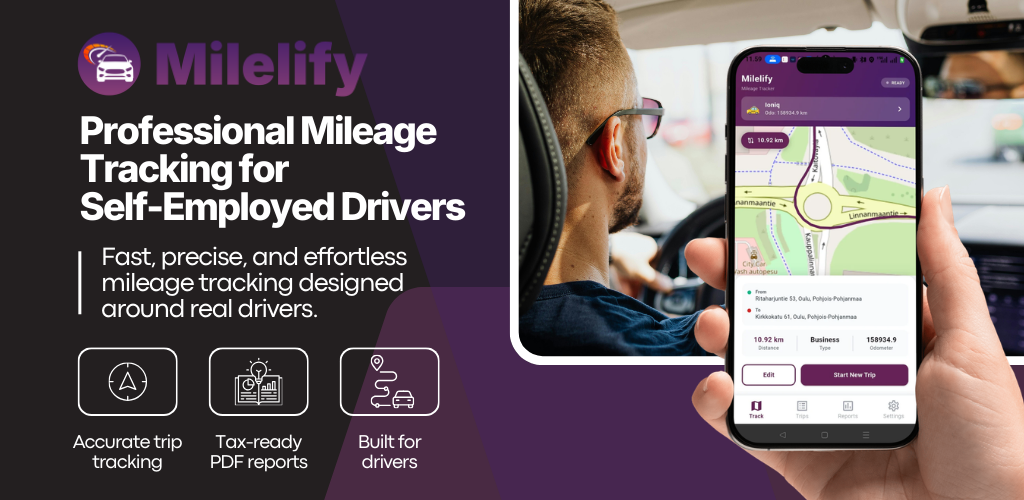
The platform’s intelligent automation reduces manual entry by up to 90% while increasing captured deductions by an average of 18% compared to manual tracking methods. MileLify’s robust security features and local data storage options ensure your sensitive business information remains protected. Discover how MileLify can transform your mileage tracking experience and start maximizing your business deductions today.
Implementation Strategies and Best Practices
Setting Up Your Mileage Tracking System
Successful implementation begins with proper initial configuration that matches your business patterns and tax requirements. Start by defining clear categories for different trip types, such as client visits, supply runs, and business meetings. Consistent categorization from the beginning eliminates confusion during tax preparation and ensures accurate reporting.
Vehicle setup should include all relevant details including make, model, year, and any unique identifiers for business records. Multiple vehicle users need individual profiles with appropriate permissions and reporting access. This organizational structure becomes crucial for businesses managing team drivers or fleet operations.
Integration with existing business systems should happen during initial setup rather than as an afterthought. Connect your mileage app to accounting software, calendar applications, and CRM systems to create seamless workflows that eliminate duplicate data entry and improve overall accuracy.
Developing Consistent Tracking Habits
Consistency in mileage tracking requires establishing routines that become second nature. Enable automatic tracking features whenever possible, but develop backup habits for manual entry when technology fails. Regular data review ensures accuracy and helps identify patterns that could improve your business efficiency.
Weekly review sessions help maintain data quality and catch errors before they accumulate. Use these sessions to verify trip classifications, add missing business purposes, and ensure all deductible expenses are captured. This proactive approach prevents year-end scrambles to reconstruct incomplete records.
Team training becomes essential for businesses with multiple drivers or shared vehicles. Establish clear protocols for trip classification, expense submission, and data management. Regular training updates ensure everyone understands best practices and compliance requirements that protect the business during audits.
Compliance and Documentation Standards
IRS compliance requires maintaining detailed records that substantiate business purposes for each deductible trip. Your app should capture trip timing, destinations, business purposes, and accurate mileage calculations that meet federal documentation standards. Backup documentation becomes crucial for high-value deductions or unusual travel patterns.
| Feature | MileLify | Basic Apps | Manual Tracking |
|---|---|---|---|
| Automatic GPS Tracking | ✓ Advanced AI Classification | ✓ Basic GPS | ✗ Manual Entry Required |
| IRS Compliance Reporting | ✓ Audit-Ready Documentation | △ Basic Reports | △ Self-Maintained Records |
| Accounting Integration | ✓ Multi-Platform Support | △ Limited Options | ✗ Manual Export |
| Multi-Vehicle Management | ✓ Unlimited Vehicles | △ Limited Support | ✗ Complex Manual Tracking |
Regular backup procedures protect your mileage data against device failures or technical issues. Cloud-based storage with local backup options provides redundancy that ensures your valuable deduction records remain secure. Establish monthly backup verification to confirm data integrity and accessibility.
Documentation retention policies should align with IRS requirements while maintaining accessibility for business operations. The recommended practice involves keeping mileage records for at least three years, with longer retention for significant deductions or complex business structures. Digital storage makes long-term retention practical and cost-effective.
Ready to revolutionize your business mileage tracking and maximize your tax deductions? The right app for recording business mileage can transform your administrative burden into automated savings while ensuring complete IRS compliance. With MileLify’s comprehensive features and intelligent automation, you’ll capture more deductible miles, save valuable time, and gain peace of mind knowing your records meet professional standards. Start your free trial today and discover why thousands of professionals trust MileLify for their business mileage tracking needs. Don’t let another mile go unrecorded – your future tax savings depend on the tracking decisions you make today.