

Understanding tax what you can claim can be the difference between paying thousands in unnecessary taxes or keeping more money in your pocket. With the 2026 tax season approaching, millions of freelancers, rideshare drivers, delivery workers, and self-employed professionals are missing out on legitimate deductions simply because they don’t know what expenses qualify.
The complexity of tax laws often intimidates business owners, leading them to claim only the most obvious deductions while leaving significant savings on the table. However, the IRS allows numerous business-related expenses that can dramatically reduce your taxable income when properly documented and claimed.
This comprehensive guide will walk you through everything you need to know about tax what you can claim in 2026, from vehicle expenses to home office deductions, ensuring you maximize your tax benefits while staying compliant with current regulations.
Essential Business Expense Categories You Can Claim
When determining tax what you can claim, it’s crucial to understand that the IRS recognizes expenses as deductible if they are both ordinary and necessary for your business operations. This broad definition encompasses numerous categories that many self-employed individuals overlook.
Vehicle and Transportation Deductions
For freelancers and drivers, vehicle expenses often represent the largest potential deduction. You can choose between the standard mileage rate method or actual expense method. The 2026 standard mileage rate for business use is expected to be around 70 cents per mile, providing significant savings for high-mileage drivers.
The actual expense method allows you to deduct the business percentage of your total vehicle expenses, including gas, maintenance, insurance, depreciation, and repairs. This method often benefits those with expensive vehicles or high maintenance costs. Rideshare and delivery drivers particularly benefit from these deductions, as their vehicles are primarily used for business purposes.
Beyond daily driving, you can also claim parking fees, tolls, and even car washes when used for business purposes. The key is maintaining detailed records of all business-related trips and expenses.
Home Office and Workspace Deductions
The home office deduction remains one of the most valuable tax what you can claim opportunities for self-employed professionals. You can use either the simplified method (claiming $5 per square foot up to 300 square feet) or the actual expense method based on the percentage of your home used exclusively for business.
The actual expense method allows you to deduct a portion of your rent or mortgage interest, property taxes, utilities, home insurance, and maintenance costs. For a home office that occupies 20% of your home, you can potentially claim 20% of these expenses as business deductions.
Remember that the space must be used regularly and exclusively for business purposes. A corner of your bedroom where you occasionally work doesn’t qualify, but a dedicated office space or separate room used only for business activities does.
Technology and Equipment Expenses
In today’s digital economy, technology expenses form a significant portion of what tax you can claim. Computers, tablets, smartphones, software subscriptions, and internet service used for business purposes are all deductible. For items costing over $2,500, you may need to depreciate them over several years, though Section 179 allows immediate expensing of up to $1,160,000 in 2026.
Don’t forget about smaller tech expenses like phone cases, charging cables, external storage devices, and productivity apps. These seemingly minor costs add up throughout the year and are legitimate business expenses when used for work purposes.

Professional Services and Education Deductions
Understanding tax what you can claim extends beyond physical expenses to include professional development and services that enhance your business capabilities. These deductions often provide substantial tax benefits while improving your earning potential.
Legal and Professional Services
Attorney fees, accounting services, tax preparation costs, and business consulting expenses are all deductible business expenses. This includes the cost of hiring professionals to help you understand tax what you can claim and ensure compliance with regulations.
Professional licenses, certifications, and membership fees for industry organizations also qualify as deductible expenses. For rideshare drivers, this might include background check fees or vehicle inspection costs required by platforms. Freelancers can deduct professional association memberships that help them network and stay current in their field.
Business insurance premiums, including general liability, professional liability, and cyber liability insurance, are fully deductible. These expenses protect your business and are considered necessary costs of operation.
Education and Training Expenses
Continuing education that maintains or improves skills required in your current business is deductible. This includes online courses, workshops, seminars, and industry conferences. The expenses must be directly related to your current work, not training for a completely different career.
Books, magazines, and online subscriptions related to your profession are also deductible. For delivery drivers, this might include navigation apps or traffic-optimization services. Freelancers can deduct subscriptions to industry publications or skill-building platforms.
Travel expenses for educational purposes, including transportation, lodging, and meals while attending business-related conferences or training events, are deductible when the primary purpose is business education.
Marketing and Advertising Costs
All legitimate marketing and advertising expenses qualify as tax what you can claim deductions. This includes website development and maintenance costs, social media advertising, business cards, promotional materials, and networking event expenses.
For modern businesses, this extends to subscription fees for marketing tools, email marketing platforms, social media management software, and analytics tools. Even the cost of professional photography for your business or promotional videos can be deducted.
Client entertainment expenses are partially deductible, with business meals generally qualifying for a 50% deduction when they have a clear business purpose and are not lavish or extravagant.
Advanced Deduction Strategies and Lesser-Known Claims
Maximizing tax what you can claim requires understanding advanced strategies and lesser-known deductions that many self-employed individuals miss. These opportunities can significantly impact your tax liability when properly implemented.
Health and Wellness Deductions
Self-employed individuals can deduct health insurance premiums paid for themselves and their families, provided they show a net profit and aren’t eligible for coverage through a spouse’s employer plan. This above-the-line deduction reduces your adjusted gross income, potentially qualifying you for other income-based benefits.
Health Savings Account (HSA) contributions are also deductible for those with high-deductible health plans. In 2026, contribution limits are expected to increase, allowing even greater tax benefits. Medical expenses directly related to your work, such as ergonomic equipment to prevent workplace injuries, may also be deductible.
For businesses with employees, providing health benefits or wellness programs can create additional tax advantages while attracting quality workers.
Retirement and Financial Planning
Self-employed individuals have access to retirement plans that offer substantial tax benefits. SEP-IRAs allow contributions of up to 25% of net self-employment earnings, with a maximum contribution limit expected to reach $70,000 in 2026.
Solo 401(k) plans offer even greater contribution opportunities, allowing both employee and employer contributions from the same person. This can result in total contributions exceeding $75,000 annually for high earners over 50.
Financial planning fees and investment management costs related to business investments are also deductible, helping you build long-term wealth while reducing current tax obligations.
Travel and Meal Deductions
Business travel expenses are fully deductible when the primary purpose is business-related. This includes transportation, lodging, and 50% of meal costs while traveling away from your tax home overnight. Day trips for business purposes allow deduction of transportation and meal costs.
For rideshare and delivery drivers, meals purchased during long driving shifts may qualify as business expenses when they’re necessary to maintain your work schedule. However, this area requires careful documentation and should be approached conservatively.
The key to successful travel deductions is maintaining detailed records showing the business purpose, dates, locations, and amounts spent. Mobile apps can simplify this tracking process significantly.
Milelify: Your Partner in Maximizing Tax Deductions
When it comes to understanding tax what you can claim, Milelify stands out as the premier solution for self-employed professionals, rideshare drivers, and delivery workers seeking to maximize their tax benefits through accurate expense tracking and mileage logging.
Milelify offers comprehensive features that set it apart from generic expense tracking apps:
- Automatic GPS mileage tracking that captures every business mile without manual input, ensuring you never miss a deductible trip
- Smart categorization that automatically sorts trips by business purpose, making tax preparation effortless and accurate
- Comprehensive expense tracking that captures all business-related costs, from fuel and maintenance to equipment and supplies
- IRS-compliant reporting that generates detailed logs and reports meeting all tax authority requirements for documentation
- Real-time insights that help you understand your deduction potential throughout the year, not just at tax time
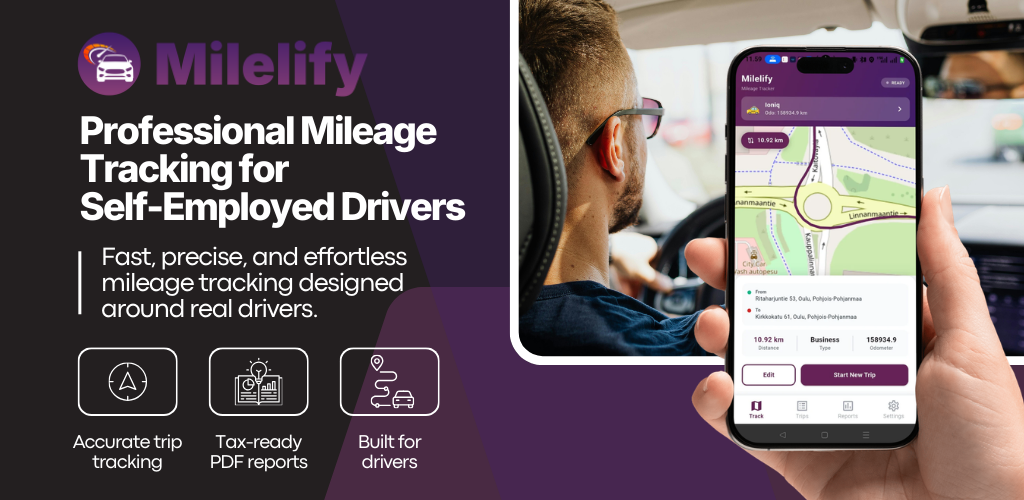
The platform integrates seamlessly with popular accounting software and tax preparation tools, streamlining your entire financial management process. With Milelify, you can focus on growing your business while ensuring you claim every legitimate deduction available. Start maximizing your tax savings with Milelify’s professional-grade tracking tools.
Documentation and Record-Keeping Best Practices
Successfully claiming tax what you can claim depends heavily on maintaining proper documentation and records. The IRS requires substantiation for all business expense deductions, and inadequate records can result in disallowed deductions and potential penalties.
Essential Documentation Requirements
For each business expense, you need to maintain records showing the amount, date, business purpose, and business relationship of the expense. This applies to everything from mileage logs to equipment purchases to professional service fees.
Digital receipts are now widely accepted, making it easier to maintain organized records through smartphone apps and cloud storage. However, ensure that digital copies are clear and contain all necessary information. For vehicle expenses, maintain detailed logs showing dates, destinations, business purposes, and odometer readings.
Bank and credit card statements provide additional support for your deductions but cannot standalone as complete documentation. They should supplement, not replace, detailed expense records and receipts.
Technology Solutions for Record-Keeping
Modern expense tracking applications automate much of the documentation process, reducing the administrative burden while improving accuracy. Look for solutions that offer GPS tracking, receipt capture, automatic categorization, and IRS-compliant reporting capabilities.
Cloud-based storage ensures your records are protected against loss while providing easy access during tax preparation. Many professionals find that investing in quality tracking software pays for itself through improved deduction accuracy and time savings.
Integration capabilities with accounting software and tax preparation tools can further streamline your workflow, reducing the risk of errors and ensuring consistency across all financial records.
Audit Protection and Compliance
Maintaining meticulous records not only maximizes your deductions but also provides protection in case of an IRS audit. Well-documented expenses with clear business purposes are rarely challenged during audit proceedings.
Regular record reviews throughout the year help identify missing documentation before tax time, ensuring you can claim all legitimate deductions. This proactive approach also helps identify business patterns and opportunities for tax planning.
Consider consulting with tax professionals who understand the specific challenges faced by self-employed individuals and can provide guidance on complex deduction scenarios. Visit our comprehensive blog for additional insights on tax optimization strategies.
| Deduction Category | Maximum Benefit | Documentation Required | Common Mistakes |
|---|---|---|---|
| Vehicle Expenses (Standard Mileage) | ~$0.70 per business mile | Detailed mileage logs with business purpose | Mixing personal and business trips |
| Home Office | Up to $1,500 (simplified method) | Floor plan, exclusive business use proof | Claiming non-exclusive spaces |
| Equipment & Technology | Up to $1,160,000 (Section 179) | Purchase receipts, business use percentage | Failing to track business vs personal use |
Understanding tax what you can claim is essential for maximizing your business profits and minimizing tax obligations in 2026. From vehicle expenses and home office deductions to professional services and equipment costs, numerous legitimate deductions are available to self-employed professionals who maintain proper documentation and understand IRS requirements.
The key to successful tax planning lies in consistent record-keeping throughout the year, not just during tax season. By implementing proper tracking systems and staying informed about available deductions, you can significantly reduce your tax liability while ensuring full compliance with regulations.
Don’t leave money on the table this tax season. Start using Milelify today to automatically track your business expenses and maximize your deductions with confidence and accuracy.