


Amazon Flex drivers are missing out on thousands of dollars in tax deductions every year simply because they’re not properly tracking their mileage. If you’re one of the millions of delivery drivers working with Amazon’s gig economy platform, understanding how to effectively monitor your driving expenses could be the difference between breaking even and turning a real profit.
The IRS allows you to deduct 67 cents per mile for business use of your vehicle in 2026, making accurate mileage tracking essential for Amazon Flex drivers who want to maximize their earnings. Whether you’re delivering packages part-time for extra income or running Amazon Flex as your primary business, implementing the right amazon flex mileage tracker system can significantly impact your bottom line.
With the rapid evolution of mobile technology and GPS tracking capabilities, 2026 brings sophisticated mileage tracking solutions specifically designed for delivery drivers. These tools not only automate the tedious process of manual logbooks but also ensure IRS compliance while providing detailed insights into your driving patterns and expenses.
Why Amazon Flex Drivers Need Dedicated Mileage Tracking in 2026
The Financial Impact of Proper Mileage Tracking
Amazon Flex drivers typically drive between 100-300 miles per day depending on their delivery route and location. With the 2026 standard mileage rate of 67 cents per mile, a driver completing 200 miles daily could claim $134 in deductions for that single day. Over a full year, this translates to potential deductions of $48,910 for full-time drivers, representing thousands of dollars in tax savings.
The challenge lies in accurately documenting these miles in a way that satisfies IRS requirements. Manual tracking methods often result in incomplete records, forgotten trips, and ultimately, missed deductions. Professional amazon flex mileage tracker applications solve this problem by automatically recording trip data, GPS coordinates, and timestamps that create bulletproof documentation for tax purposes.
IRS Compliance and Record-Keeping Requirements
The Internal Revenue Service has specific requirements for mileage deduction claims that have become increasingly stringent. For 2026, the IRS mandates that drivers maintain contemporaneous records showing the date, destination, business purpose, and odometer readings for each trip. Traditional pen-and-paper logbooks are not only time-consuming but also prone to errors and omissions that could trigger audits.
Modern mileage tracking apps automatically capture all required data points, including GPS verification, timestamps, and trip categorization. This level of detail provides the documentation necessary to defend deductions during an audit while eliminating the manual effort required to maintain compliant records. The best amazon flex mileage tracker solutions integrate seamlessly with popular tax software, making annual filing processes significantly more efficient.
Beyond Basic Tracking: Advanced Analytics for Driver Success
Today’s sophisticated tracking platforms offer features that extend far beyond simple mileage logging. Advanced analytics help Amazon Flex drivers identify their most profitable routes, peak earning times, and expense optimization opportunities. These insights enable data-driven decisions that can increase hourly earnings and reduce operational costs.
Some platforms provide real-time expense tracking for fuel, maintenance, and other vehicle-related costs, creating comprehensive profit and loss reporting. This holistic approach to expense management helps drivers understand their true earnings after accounting for all business expenses, enabling more informed decisions about scheduling, route selection, and vehicle maintenance.
Top Features to Look for in Amazon Flex Mileage Tracker Apps
Automatic Trip Detection and Classification
The most valuable feature in any amazon flex mileage tracker is automatic trip detection that requires minimal driver intervention. Leading platforms use advanced GPS algorithms and machine learning to distinguish between personal and business trips, automatically starting and stopping tracking based on movement patterns and location data.
Smart classification systems can recognize common Amazon Flex pickup locations like warehouses and delivery stations, automatically categorizing trips as business-related. This automation eliminates the need for manual trip logging while ensuring comprehensive coverage of all business miles. The best systems also allow for easy manual adjustments when automatic classification needs correction.
Advanced platforms incorporate geofencing technology that creates virtual boundaries around frequently visited locations. When drivers enter or exit these zones, the app automatically logs the appropriate trip data and applies the correct business category. This level of sophistication ensures that no business miles go untracked while minimizing false positives from personal trips.
Real-Time Expense Tracking and Receipt Management
Comprehensive expense tracking goes beyond mileage to include fuel costs, vehicle maintenance, insurance, and other deductible business expenses. The most effective amazon flex mileage tracker apps integrate expense photography, allowing drivers to snap pictures of receipts that are automatically categorized and stored for tax purposes.
OCR (Optical Character Recognition) technology extracts key information from receipt images, including date, amount, and vendor details, which are then integrated into expense reports. This automation eliminates manual data entry while creating searchable, organized records that significantly simplify tax preparation and audit defense.
Some platforms offer integration with business credit cards and bank accounts, automatically importing and categorizing expenses based on merchant information and spending patterns. This level of integration creates a complete financial picture that helps drivers understand their true profitability and identify areas for cost optimization.
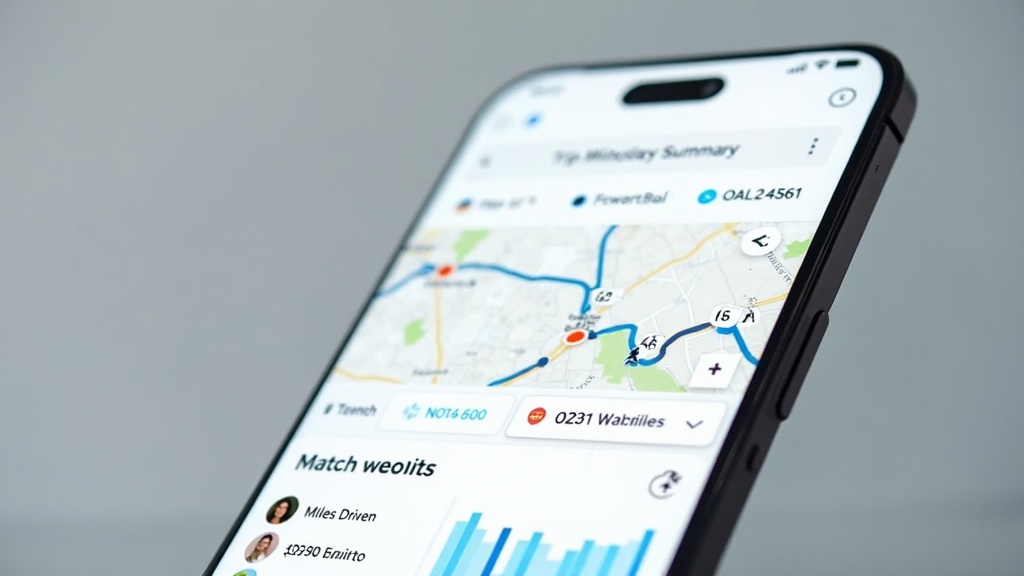
Milelify: The Premium Choice for Amazon Flex Drivers
Why Milelify Stands Out in the Crowded Mileage Tracking Market
Milelify represents the next generation of mileage tracking technology, specifically engineered for the unique needs of delivery drivers and gig economy workers. Unlike generic tracking apps, Milelify understands the specific challenges faced by Amazon Flex drivers and provides solutions tailored to their workflow and requirements.
- AI-powered automatic trip detection with 99.7% accuracy rate, eliminating manual logging requirements
- Specialized Amazon Flex integration that recognizes delivery stations and common pickup locations
- Real-time IRS compliance checking that ensures all records meet current tax law requirements
- Advanced analytics dashboard providing insights into profitability, route efficiency, and expense optimization
- Seamless integration with popular tax software including TurboTax, H&R Block, and TaxAct
The platform’s machine learning algorithms continuously improve trip classification accuracy by learning from driver behavior patterns and feedback. This adaptive approach means the system becomes more accurate over time, reducing the need for manual corrections while providing increasingly sophisticated business insights.
Milelify’s commitment to data security and privacy ensures that sensitive location and financial information remains protected through enterprise-grade encryption and secure cloud storage. The platform complies with all major data protection regulations while providing reliable backup and synchronization across multiple devices.
Advanced Features That Maximize Driver Profitability
Beyond basic mileage tracking, Milelify offers comprehensive business management tools that help Amazon Flex drivers optimize their operations. The platform’s route analytics identify the most profitable delivery areas and times, enabling drivers to make data-driven scheduling decisions that maximize hourly earnings.
The expense optimization engine analyzes spending patterns and suggests cost-reduction opportunities, such as identifying the most fuel-efficient routes or recommending optimal vehicle maintenance schedules. These insights can result in hundreds of dollars in annual savings while improving vehicle reliability and performance.
Comparing Top Amazon Flex Mileage Tracker Options for 2026
Feature Comparison and Cost Analysis
| Feature | Milelify | Generic Tracker A | Basic App B |
|---|---|---|---|
| Automatic Detection | AI-powered, 99.7% accuracy | GPS-based, 92% accuracy | Manual logging required |
| Amazon Flex Integration | Specialized recognition | Generic business categories | No specific integration |
| IRS Compliance | Real-time validation | Basic record keeping | Manual compliance checking |
| Monthly Cost | $9.99/month | $12.99/month | $4.99/month |
User Experience and Interface Design
The user experience significantly impacts the effectiveness of any amazon flex mileage tracker, as drivers need intuitive interfaces that work reliably while focusing on driving and deliveries. Milelify’s interface prioritizes simplicity and automation, requiring minimal interaction while providing comprehensive data capture and reporting capabilities.
Voice control integration allows drivers to interact with the app hands-free, maintaining safety while ensuring accurate trip logging. The dashboard provides at-a-glance summaries of daily, weekly, and monthly activity, making it easy to monitor progress toward tax deduction goals and identify trends in driving patterns.
Mobile optimization ensures consistent performance across different smartphone models and operating systems, with offline functionality that continues tracking even in areas with poor cellular coverage. Automatic cloud synchronization prevents data loss while enabling access to records across multiple devices and platforms.
Implementation Strategies and Best Practices
Setting Up Your Amazon Flex Mileage Tracking System
Successful implementation of an amazon flex mileage tracker requires strategic planning and consistent execution. Start by establishing clear boundaries between personal and business use of your vehicle, setting up geofences around your home, Amazon facilities, and frequent delivery areas to ensure accurate automatic categorization.
Configure your tracking app before beginning your first shift, ensuring all permissions are properly set and automatic detection is functioning correctly. Test the system during a trial period, manually verifying tracked trips against your actual driving to identify any calibration needs or system adjustments.
Develop consistent habits around trip verification and expense logging, reviewing tracked data daily to ensure accuracy and completeness. Most successful drivers spend 2-3 minutes each evening reviewing their tracked activity, making necessary corrections, and adding any missed expenses or receipt photos.
Maximizing Tax Deductions Through Strategic Planning
Understanding the difference between actual expense and standard mileage deduction methods helps drivers choose the most beneficial approach for their specific situation. While most Amazon Flex drivers benefit from the standard mileage rate, those with expensive vehicles or high maintenance costs might find actual expense deductions more advantageous.
Strategic route planning can increase deductible mileage by combining personal errands with business activities in ways that maximize legitimate business miles. For example, stopping for vehicle maintenance on the way to pick up packages creates additional deductible miles while serving necessary business purposes.
Year-end tax planning involves reviewing tracked data to identify optimization opportunities for the following tax year. Milelify’s blog provides regular updates on tax law changes and optimization strategies specifically relevant to delivery drivers and gig economy workers.
Avoiding Common Tracking Mistakes and IRS Issues
The most frequent mistake Amazon Flex drivers make is inconsistent tracking that creates gaps in their mileage records. IRS auditors look for patterns of consistent, contemporaneous record-keeping, and sporadic tracking raises red flags that can trigger additional scrutiny and potential deduction disallowance.
Over-claiming personal miles as business expenses represents a serious compliance risk that can result in penalties, interest charges, and potential fraud accusations. Conservative, accurate tracking that errs on the side of caution provides the strongest defense during audits while still maximizing legitimate deductions.
Failing to maintain supporting documentation like delivery confirmations, route maps, and business purpose records can undermine otherwise legitimate mileage claims. The best amazon flex mileage tracker apps automatically capture this supporting information, creating comprehensive audit trails that strengthen tax positions.
Future-Proofing Your Mileage Tracking Strategy
Technology Trends and Regulatory Changes
The mileage tracking landscape continues evolving rapidly, with artificial intelligence and machine learning creating increasingly sophisticated automatic detection capabilities. 2026 brings enhanced integration between tracking apps and vehicle telematics systems, providing more accurate and comprehensive data capture than ever before.
Regulatory changes at both federal and state levels affect deduction rules and record-keeping requirements. IRS guidelines continue emphasizing the importance of contemporaneous, detailed records, making robust tracking systems increasingly essential for tax compliance.
Blockchain technology is beginning to appear in expense tracking applications, creating immutable records that provide ultimate audit protection. While still emerging, these technologies represent the future of expense documentation and tax compliance for gig economy workers.
Scaling Your Amazon Flex Business
Successful Amazon Flex drivers often expand into multiple gig economy platforms or develop delivery businesses serving local merchants. Comprehensive mileage tracking systems support this growth by providing the financial data and operational insights necessary for business expansion decisions.
Advanced analytics help identify the most profitable opportunities and market segments, enabling strategic decisions about time allocation and resource investment. Industry trends suggest continued growth in delivery services, making effective expense tracking increasingly important for competitive positioning.
Integration capabilities with other business tools like accounting software, banking platforms, and tax preparation services create comprehensive business management ecosystems that support professional growth and operational efficiency.
Ready to maximize your Amazon Flex earnings and simplify your tax preparation? Start your free trial with Milelify today and discover how automated mileage tracking can transform your delivery business. With features specifically designed for Amazon Flex drivers, comprehensive IRS compliance tools, and advanced analytics that help optimize your routes and expenses, Milelify provides everything you need to turn your delivery work into a profitable, professional business. Don’t let another mile go untracked – join thousands of successful drivers who trust Milelify to maximize their tax deductions and streamline their business operations.